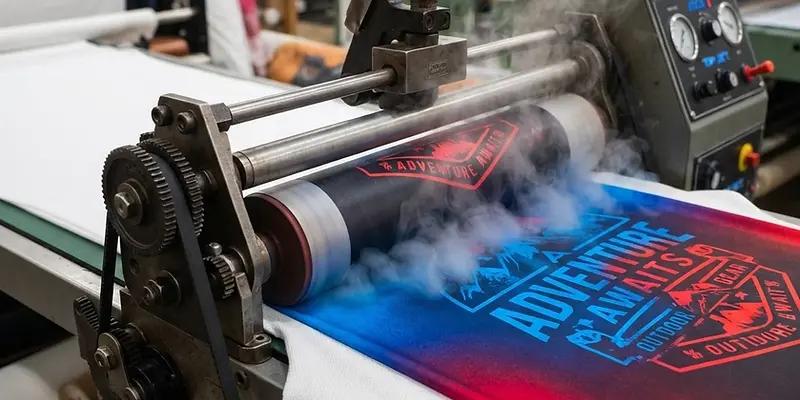
How Custom Flags Are Made: Inside the Dye Sublimation Process
Ever wondered how a custom flag goes from a digital design on your screen to a vibrant, flying banner? The answer is dye sublimation — the printing process that produces the brilliant, long-lasting colours on every Impact Flags product.
What Is Dye Sublimation?
Dye sublimation is a digital printing process that uses heat and pressure to transfer dye directly into fabric fibres. Unlike traditional printing methods that apply ink on top of the material, sublimation turns solid ink into a gas that penetrates and becomes part of the fabric itself.
The result? A permanent, vibrant print that won't fade, crack, or peel — because the colour isn't sitting on the surface, it's embedded in the material.
The Step-by-Step Process
Step 1: Design Preparation
Your artwork is prepared in digital format. At Impact Flags, we offer free artwork support — bring your own design or let us help you create something new. The design is formatted and colour-matched to ensure the best possible print result.
Step 2: Printing onto Transfer Paper
The design is printed onto special heat-transfer paper using a sublimation printer loaded with sublimation inks. These inks are unique — when heated, they turn directly from a solid to a gas without passing through a liquid phase (hence the name "sublimation").
Step 3: Heat Press Transfer
The printed transfer paper is placed against the polyester fabric and run through a large-format heat press. Under precise temperature and pressure, the solid ink turns to gas and penetrates the polyester fibres.
Step 4: Permanent Bonding
As the fabric cools, the gas returns to a solid state — but now it's locked inside the fibres. The dye has become an integral part of the fabric, not a layer sitting on top. This is why sublimated prints won't crack, peel, or wash off.
Why Dye Sublimation Beats Other Methods
Permanent, Vibrant Colours
Because the dye becomes part of the fabric, sublimated prints are incredibly durable. The colours won't fade from washing or normal wear — only prolonged UV exposure will eventually break down the ink bonds.
Unlimited Colour Possibilities
Digital printing means there are no colour limitations. Photographic images, gradients, complex designs — all reproduce beautifully with sublimation.
No Minimum Order Quantities
Unlike screen printing, which requires setup costs and minimum runs, dye sublimation is cost-effective even for a single custom flag. This makes it perfect for one-off events, small businesses, and community groups.
Environmentally Friendly
Sublimation uses dry inks with minimal waste. There's no water-based ink runoff, and the process only applies ink where needed.
The One Limitation: Polyester Only
Dye sublimation only works on polyester or fabric with a high polyester content. The chemical properties of sublimation dyes require synthetic fibres to properly bond. This is actually an advantage for outdoor flags — polyester is the most durable, UV-resistant material available.
For cotton flags, a different printing method is used, but the result isn't as permanent or vibrant as sublimation on polyester.
The Impact Flags Production Standard
Every flag we produce goes through this process using:
- UV-resistant sublimation inks for maximum colour longevity in Australian conditions
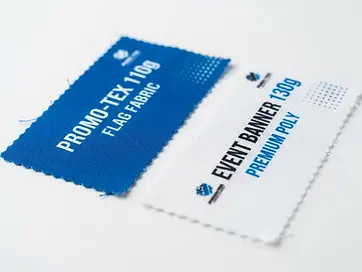
- Premium 100% polyester fabric chosen for durability and print quality
- Free artwork support to ensure your design looks its best
- Quality inspection before every flag ships
Get a free quote and see the difference quality printing makes.
Need a Flag That Lasts?
Get a free quote from Impact Flags — Perth's affordable custom flag and banner specialists.
Get a Quote